Stop Whaling - A Better World for Animals and People
IFAW on MySpaceSong of the Whale BLOG

Effects of Global Warming on Whales

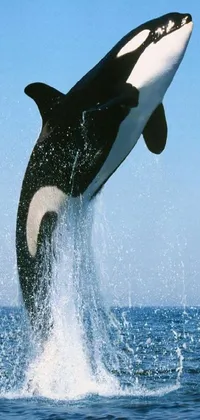
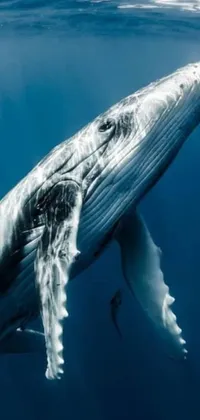
Global warming is having profound effects on our entire world and marine mammals are no exception.  Scientists now predict that rising sea temperatures will cause ocean currents to shift and acidity levels to rise.  These changes could significantly impact the food sources, migratory paths, and breeding grounds of whales.  For some of the world's most highly endangered whales, these changes could threaten the recovery of their populations, and may put them one step closer to extinction.  In fact, IFAW researchers are already observing early impacts of global warming on whale populations in the Northern and Southern hemispheres.

Ocean processes influence, and are influenced by, climatic changes (including global warming).  The oceans have experienced climatic fluctuations in the past within the ranges that are currently occurring.  The differences today are that the rapid rate of global warming is unprecedented, and that human activities are a major contributor.  Complex interactions between climate and ocean processes create significant environmental change impacting: 

  • temperature
  • salinity
  • acidity
  • ocean circulation
  • currents
  • sea levels
  • sea ice cover and thickness
  • distribution and migration patterns, and
  • abundances of marine mammals and their prey

In recognition of the threat that global warming has on the environment and specifically on marine mammals, IFAW urges policy makers to adopt the strictest precautionary measures in all policies and decisions affecting the welfare and conservation of marine mammals.